
ConnectEd Solutions

Coaching from Data Experts and Hands-on Support for Districts
ESC ConnectED Solutions logo

Empowering Schools with a Culture of Data & Insight

27 Districts
113 Schools
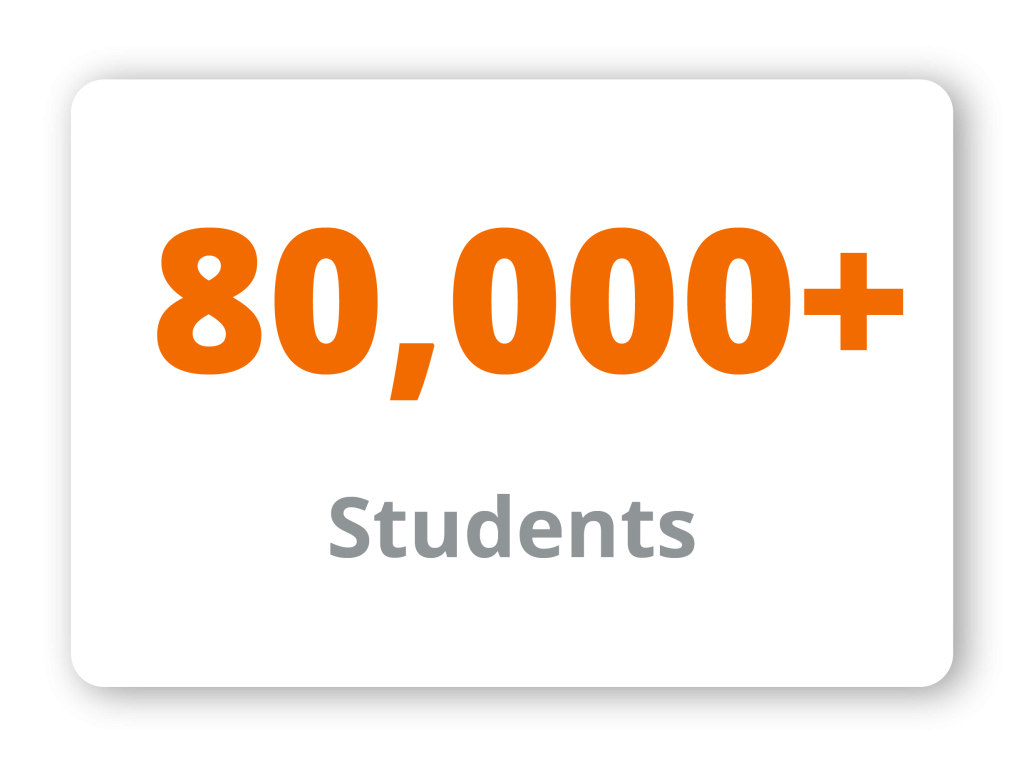
80,000+ Students

Lisa Miller & Michael Eckert
ConnectEd Solutions
lisa.e.miller@hcesc.org
michael.eckert@hcesc.org

ConnectEd Solutions represents a transformative, service-first approach to educational data management.

Through comprehensive onboarding, coaching, and partnership, we help districts move from fragmented data to unified insight, building capacity, confidence, and sustainable data culture.

Our mission is simple: bridge the gap between where districts are in their data journey and where they aspire to be.

Female data coach showing data to a female teacher and a male teacher.

Our comprehensive system includes:

Attendance, assessment,
enrollment, grades, Ohio State Tests, discipline, schedules, Student Rosters, Teacher Rosters and student profile report.

For MTSS, RIMP , gifted,
graduation, and regulatory
compliance.

Ensuring accurate, unified student records.

Aligning people, processes, and technology to build lasting data confidence across staff.

Studies from the U.S. Department of Education and the Data Quality Campaign consistently show that:

Districts with established data cultures are 2.5x more likely to meet growth targets in school achievement.
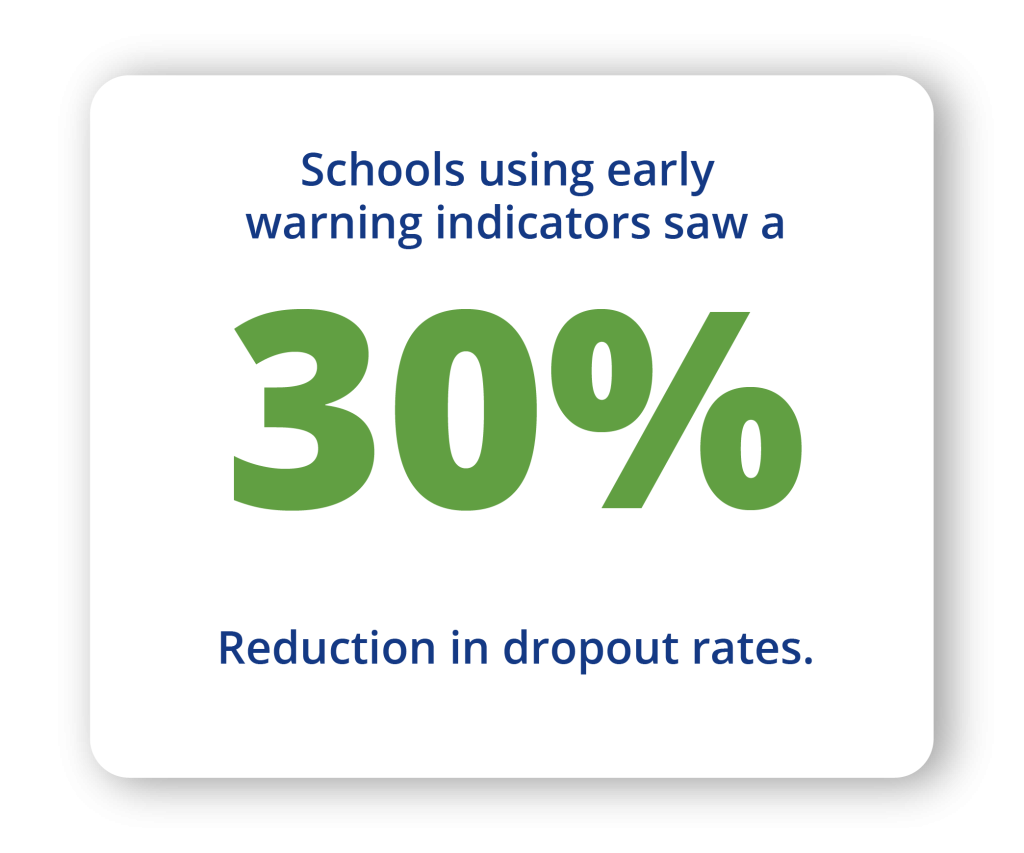
Schools using early warning indicators saw a 30% reduction in dropout rates.
In districts with robust data systems, 90% of administrators report higher confidence in decision-making and resource allocation.

The ConnectEd Solutions Consortium will bring together district partners, ESC collaborators, and data leaders to learn, share, and co-create solutions that advance each district’s data culture evolution. This community of practice will foster open dialogue and shared learning around topics such as:

Through the Consortium, members engage in ongoing conversations and joint problem-solving sessions that accelerate collective growth and continuous improvement. Together, we evolve toward a shared vision: empowered districts where data drives outcomes for every learner.

No. Our service-first model focuses on transforming organizational culture, not just technology. Dashboards are one piece of a larger ecosystem that includes training, coaching, and governance support.

While traditional providers deliver tools, ConnectEd Solutions partners with districts to create lasting change. We help establish habits of inquiry, reflection, and shared accountability that persist long after implementation.

Our success metrics include user adoption, decision frequency, intervention response time, and measurable student outcome improvement.

Yes. ConnectEd Solutions is built for scalable collaboration across ESCs, ITCs, and district partners statewide.

We work with districts of all sizes—from small rural systems to large urban ones. The common thread is a commitment to busing data more intentionally. Whether you’re beginning your data journey or scaling a mature system, our framework adapts to your readiness level.

Every district starts with a readiness and data culture assessment conversaton to establish a baseline. Implementation always includes hands-on coaching and feedback loops to ensure data becomes part of daily decision-making, not just reporting.

Most partners begin to see meaningful insights within the first 2 weeks, as key data sources are integrated and initial dashboards go live. Cultural transformation happens over time, but user adoption, confidence, and collaboration tend to rise quickly once staff see clear, relevant information in front of them supported by cooperatively designed, strategic implementation plan.

Get certified in Orton-Gillingham

Specialized training for teachers to help them transform struggling learners into confident, successful readers.

Hands-on program by master teachers designed for K–12 classroom teachers, intervention specialists, and tutors of those with dyslexia or reading difficulties.

Graduates of Hamilton County ESC’s Accredited Online Orton-Gillingham program qualify to apply for Structured Literacy Dyslexia Teacher certification level to meet requirements for Ohio’s Structured Literacy Certification.

Coaching from Master Teachers

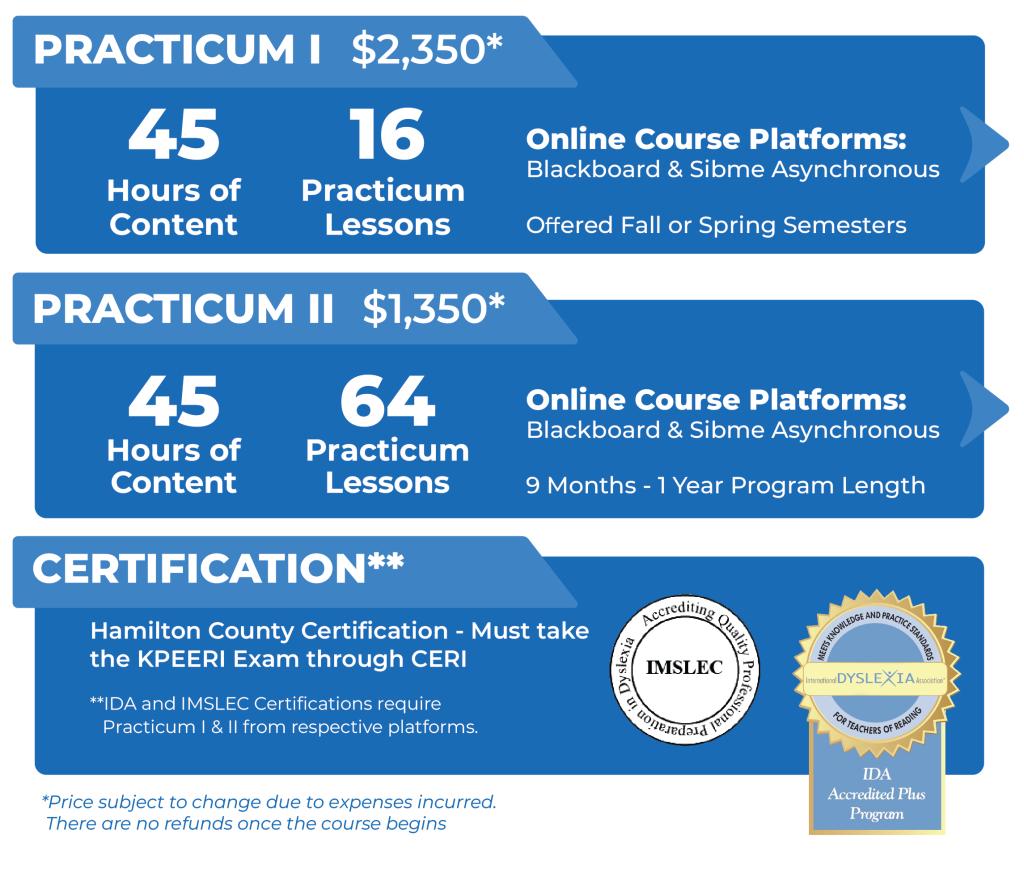
Each participant is assigned to a Master Teacher who provides one-to-one coaching and feedback on the creation and teaching of 16 lesson plans custom-tailored for the student the participant is tutoring during the course. Courses are facilitated by master teachers to help participants learn to design and implement explicit, systematic, and structured multi-sensory lesson plans that address the development of foundational skills necessary for students to become proficient readers.

Addresses the Five Components of Reading

The Orton-Gillingham Multisensory Reading Program addresses the five essential components of reading: phonemic awareness, phonics, vocabulary, fluency, and comprehension – as recommended by the National Reading Panel Report (2000).

Fully Online Format

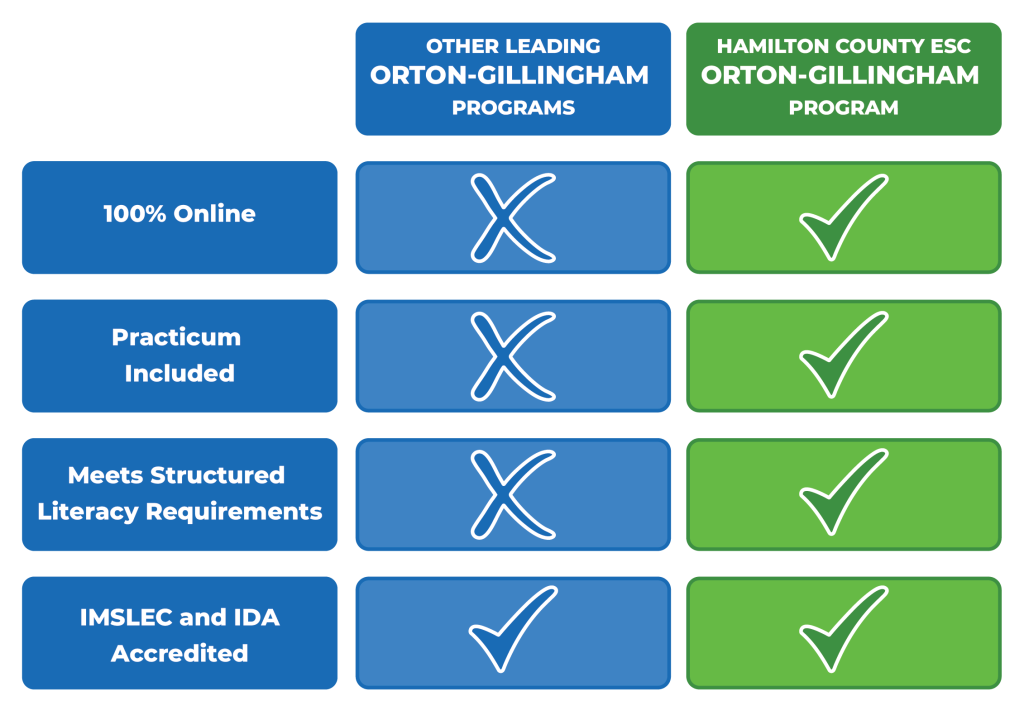
We offer the Orton-Gillingham Multisensory Reading Program in a fully online format to enable teachers across the country to have full access to this crucial programming. Master teachers provide on-the-spot feedback, correction and suggestions as they watch teachers teach. The goal is for each participant to implement Orton-Gillingham methodology with fidelity to strengthen core reading instruction.

97% of program participants progress from little subject knowledge to advanced proficiency
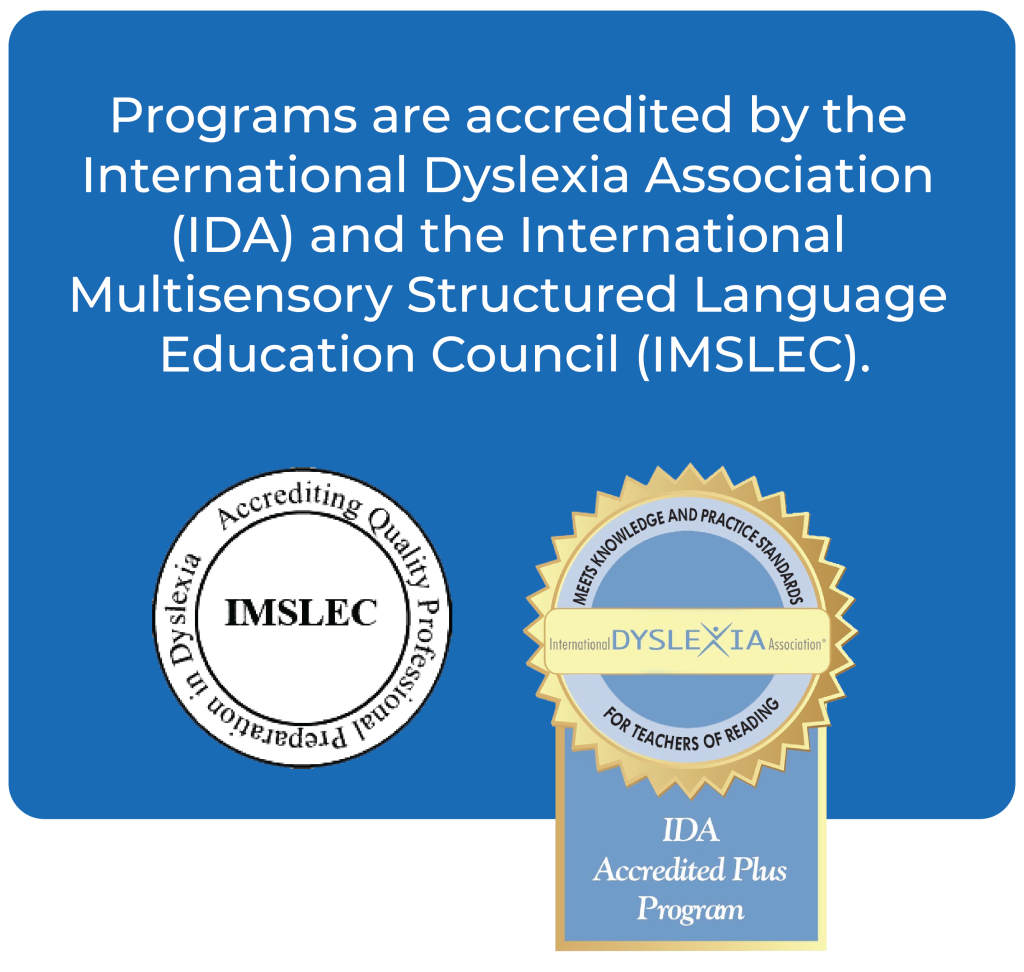
Programs are accredited by the International Dyslexia Association (IDA) and the International Multi-sensory Structured Language Education Council (IMSLEC)

Tracy Jennings
tracy.jennings@hcesc.org

This program is for K-12 educators, speech & language pathologists, intervention specialists, and tutors with Bachelor’s degrees.

Yes! Rather than having to apply for a separate practicum, our program includes practicum lessons at no additional cost.

Graduates of Hamilton County ESC’s Accredited Online Orton-Gillingham program qualify for Structured Literacy Dyslexia Teacher certification level to meet requirements for Ohio’s Structured Literacy Certification.

What makes Hamilton County’s online program unique is the practicum: each participant is assigned to a Master Teacher who provides one-to-one coaching and feedback on the creation and teaching of 16 lesson plans custom-tailored for the student the participant is tutoring during the course. Using the Sibme™ platform, participants upload their lessons and videos of their instruction enabling instructors to give specific feedback at point of need on both planning and implementation of OG methodology.

SIOP Virtual Coaching and Face to Face Coaching

Do you have content or grade level teachers who attended SIOP (Sheltered Instruction Observation Protocol) Training? Are they practicing their skills as related to the eight SIOP components? English Language consultants can help them refine their practices through virtual coaching.

Each content specialist or grade level teacher will engage in two coaching cycles. A cycle consists of an initial meeting, or first step, during which the consultant and teacher converse and plan. The second step involves the teacher recording their practices and uploading the video to be viewed by the consultant. The third step in the cycle includes consultant feedback, teacher reflection, and the development of an action plan for the scene coaching cycle. Teachers participating in the virtual coaching cycle will receive final input from an English Language consultant via rubric. 

Throughout the process, the consultant and teacher are utilizing research-based strategies proven effective with English Learners. The eight SIOP strategies and practices apply to any student who struggles with academic vocabulary. 

Capacity is limited.


Contact

Connie Reyes-Rau
513.674.4298
connie.reyesrau@hcesc.org

Instructional Technology Audit

After technology has increased within a school or district, its use often grows organically and “pockets of excellence” arise. After several years, it is often difficult for districts to determine the impact of their investment. We can assist with this by providing an instructional technology audit to understand how, how often, and how well technology is being used and integrated into the classroom.

The audit is a comprehensive process, working closely with district/building leadership, to survey, conduct focus groups, and on-site observations. Following this process, the district will receive a comprehensive report aggregating the data collected and providing recommendations for improving the impact that these powerful tools can have in the teaching and learning process. The team will work with district and building leadership to determine the number of on-site days required, the number of focus groups, as well as the focus of the audit.

Learn about additional technology services at https://www.hcesc.org/technology.


Contact

Arline Pique
513.674.4312
arline.pique@hcesc.org

Program Evaluation and Auditing

Evaluating and assessing programs is provided to meet specific district needs and goals. Hamilton County ESC provides project and program evaluation that can be customized for specific district needs. Work and products can be designed in compliance with grant funding and/or government guidelines.

We can provide:

  • qualitative and quantitative data collecting interviews
  • site visits
  • survey design
  • assessment of teacher and administrator attitudes
  • assessment of parent and community involvement

Final evaluations and reports will be customized in format and delivery.


Contact

Lisa Miller
513.674.4512
lisa.e.miller@hcesc.org

Expedited Data Analysis

Successful school leaders utilize data to increase student achievement and learning. We expedite your improvement process by providing custom analysis of your data, capturing observations and creating data statements to present to your team.

Data analysis could include:

  • Local Report Card data
  • Decision Framework
  • Value-Added
  • Measure Up
  • Success/OOARS
  • Local assessment data
  • DIBELS data
  • EXPLORE, PLAN, ACT
  • Intervention supports and programs
  • Behavior data
  • Perception data

With analyzed data, your team will have more time to discover data patterns, pose hypotheses, determine specific areas of need, determine root causes, and develop a detailed action plan and monitoring system.


Contact

Lisa Miller
513.674.4512
lisa.e.miller@hcesc.org

School Improvement Services

Hamilton County ESC’s Center for Urban Educational Services (CUES), specializes in urban education professional development. School improvement is a multi-dimensional process. It involves taking a system-wide approach to overcome the challenges urban education faces. We help to strategically align your resources with your goals and vision.

School Improvement Coaching/Consulting

We have coaches and consultants who work in schools and classrooms on a part-time or full-time embedded basis. That means they work side-by-side with teachers and administrators, offering resources, co-planning and co-teaching, feedback, or whatever meets a school’s particular needs. Our coaches work with content-area teachers on curriculum and instruction. We help implement school-wide initiatives, from literacy across the curriculum to positive behavior intervention programs and more.

After School: Extended Day/Extended Year

We provide academic structure for extended day and extended year programs. We partner with you to focus on the instructional components for your program.

Federal Programs Consulting

Federal Title services can be a challenging items to manage fiscally. We can help. We consult with districts to create Title budgets and expenditure reports.

Collaborating to Achieve Student Excellence (CASE)

CASE is a system we’ve developed for partnering with you to solve your challenges. When we first meet to start a CASE-file, we look at six key areas:

  • Data Collection & Review
  • Implementation Plan
  • Knowledge Base
  • Accountability
  • Support
  • Evaluation

Understanding Poverty

Our consultants facilitate discussion on the unique aspects of overcoming the barriers of poverty.


Contact

Paul Smith
513.674.4214
paul.smith@hcesc.org

PBIS

School-wide PBIS is a framework comprised of instructional practices and organizational systems for establishing the social culture, learning and teaching environment, and individual behavior supports needed to achieve academic and social success for ALL students.

Benefits of PBIS

  • improved school and classroom climate/culture
  • reductions in office discipline referrals
  • gains in administrator time for instructional leadership
  • increases in student academic and behavioral performance

Services provided

  • responsive consultation with district and building leaders
  • customized professional development
  • technical assistance to implement behavioral interventions across multiple tiers of support

Contact

Abby Hanlon
513.674.4502
abby.hanlon@hcesc.org

MTSS and RtI

Multi-Tiered System of Support (MTSS)/Response to Intervention (RtI) is a framework designed to bring together general, special, compensatory and gifted education with the goal of providing a comprehensive, proactive and unified system of education to meet the needs of, and improve results for, all students in an effort to close achievement gaps.

Benefits of RtI implementation

  • Increased student engagement in instructional activities
  • Instructional support to meet specific student needs
  • Gains in student attendance and academic performance
  • Efficient use of limited district and building resources

Services provided

  • Audit of current practices for alignment with MTSS/RtI components
  • Consultation at the district/building/grade levels
  • Customized professional development


Contact

Alicia Lateer-Huhn
513.674.4289
alicia.lateerhuhn@hcesc.org

Culturally Responsive Practices

Culturally Responsive Practices (CRP) encompasses the use of cultural knowledge, prior experiences, and performance styles of diverse students to make learning more appropriate and effective in an effort to close existing achievement gaps.

Benefits of Culturally Responsive Practices

  • enhanced ability of educators to support diverse learners
  • increased student engagement and achievement
  • improved school climate

CRP services include

  • self-paced online course to increase cultural competence
  • in-district customized professional development
  • technical assistance related to culturally responsive practices and cultural competence
  • enhanced ability of educators to support diverse learners

Contact

Connie Reyes-Rau
513.674.4298
connie.reyesrau@hcesc.org